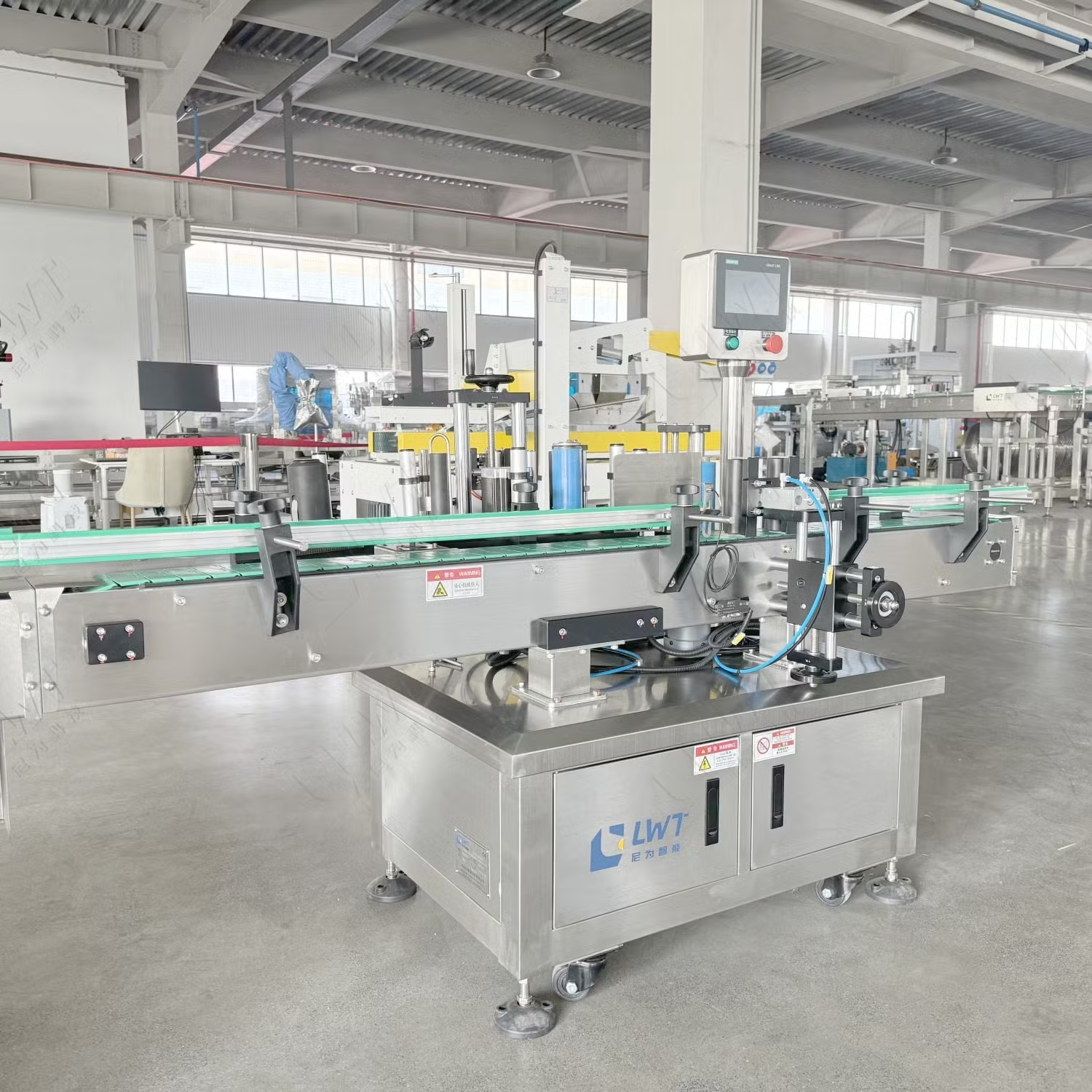
Sustainability has become one of the defining priorities for modern manufacturing. Businesses across industries are searching for practical ways to reduce waste, improve resource efficiency, and build production systems that support long-term environmental and economic goals. While much of the conversation focuses on recyclable materials and eco-friendly packaging, another important factor often receives less attention: production efficiency. Every improvement made during the manufacturing process can contribute to a more sustainable operation. In this context, the bottle labeling machine has become an important part of sustainable packaging strategies by helping manufacturers improve accuracy, reduce unnecessary waste, and create more efficient production workflows.
Sustainable manufacturing is no longer viewed only as an environmental initiative. It has become a business strategy that improves operational performance while meeting growing customer expectations for responsible production. Companies that optimize packaging operations often achieve financial savings alongside environmental benefits, making sustainability an important competitive advantage.
As manufacturing technologies continue evolving, packaging equipment plays a larger role in helping businesses balance productivity, quality, and responsible resource management.
Sustainability Begins Inside the Factory
Many people associate sustainability with recyclable packaging or environmentally friendly materials. While these elements are important, true sustainability starts much earlier during the production process.
Every manufacturing decision affects energy consumption, material usage, production waste, and operational efficiency. Small improvements made throughout daily operations often create significant long-term environmental benefits.
Manufacturers increasingly recognize that reducing waste at its source is more effective than managing waste after production has already been completed.
Packaging Efficiency Reduces Material Waste
Packaging materials represent a valuable business resource.
When labels are damaged, misaligned, or incorrectly applied, products may require rework or replacement packaging. These situations increase material consumption while creating additional production costs.
Improving packaging accuracy helps businesses reduce unnecessary waste without changing the products themselves.
Better efficiency allows manufacturers to use packaging materials more effectively while supporting higher production quality.
Resource Management Has Become a Competitive Advantage
Modern manufacturers carefully monitor how production resources are used.
Raw materials, packaging supplies, labor, equipment utilization, and production time all influence operational performance.
Companies that manage these resources efficiently often achieve stronger profitability while reducing their environmental footprint.
Efficient packaging operations therefore contribute directly to broader business objectives beyond manufacturing alone.
Supporting Long-Term Production Stability
Sustainability is closely connected to operational reliability.
Production systems that experience frequent interruptions often consume additional resources through repeated setup procedures, unnecessary maintenance, and production delays.
Stable packaging operations allow businesses to maintain consistent productivity while minimizing avoidable resource consumption.
Long-term stability benefits both manufacturing performance and environmental responsibility.
Quality Reduces Environmental Impact
Product quality and sustainability are often discussed separately, yet they are closely connected.
High-quality packaging reduces rejected products, unnecessary transportation, additional material usage, and repeated manufacturing activities.
Every correctly packaged product helps eliminate waste that might otherwise occur later within the supply chain.
Maintaining consistent quality therefore supports more responsible production practices.
Energy Efficiency Through Better Production Planning
Manufacturing facilities consume significant amounts of energy every day.
Although machinery efficiency plays an important role, production planning also influences overall energy consumption.
Organized packaging workflows reduce unnecessary equipment idle time, improve scheduling efficiency, and support smoother production operations.
These improvements contribute to better energy management throughout the manufacturing process.
Sustainable Growth Requires Flexible Systems
Businesses continue expanding product portfolios while responding to changing customer demands.
Flexible production systems support sustainable growth because they allow manufacturers to introduce new packaging formats without replacing entire production lines.
Adaptable manufacturing environments reduce unnecessary investment, extend equipment lifespan, and improve long-term operational efficiency.
Sustainability therefore includes designing production systems capable of evolving alongside business growth.
See also: Why Search Visibility Is Critical for Small Business Success
Consumer Expectations Continue to Influence Sustainability
Customers increasingly pay attention to how products are manufactured.
Many consumers value businesses that demonstrate responsible production practices alongside product quality.
Although packaging appearance remains important, buyers also appreciate companies that reduce waste, improve operational efficiency, and support environmentally responsible manufacturing.
This shift encourages manufacturers to integrate sustainability into everyday production decisions.
Continuous Improvement Drives Sustainable Manufacturing
Sustainability is not achieved through a single investment or production upgrade.
Instead, manufacturers create lasting improvements by continuously evaluating workflows, identifying inefficiencies, and implementing practical operational changes.
Packaging processes provide many opportunities for incremental improvements that collectively produce meaningful long-term results.
Continuous improvement helps businesses remain competitive while supporting responsible manufacturing objectives.
Preparing Packaging Operations for the Future
Manufacturing will continue evolving as environmental expectations increase.
Future packaging strategies are expected to emphasize intelligent resource management, efficient production planning, connected manufacturing systems, and greater operational transparency.
Businesses that build efficient production environments today will be better prepared to meet future sustainability standards while maintaining strong operational performance.
Forward-thinking manufacturers understand that sustainability and productivity can support one another rather than compete.
Final Thoughts
Sustainable manufacturing depends upon more than environmentally friendly materials. It requires efficient production systems that minimize waste, improve resource management, and maintain consistent quality throughout every stage of manufacturing. Packaging has become an important part of this strategy because operational efficiency directly influences both environmental performance and long-term business success.
As industries continue adopting more responsible manufacturing practices, the bottle labeling machine will remain an important contributor to sustainable packaging strategies. By supporting accurate production, reducing unnecessary waste, improving workflow efficiency, and encouraging smarter resource management, it helps manufacturers create packaging operations that are both environmentally responsible and commercially successful.