When couples begin their fertility journey, they often focus on factors such as egg quality, sperm health, embryo grading, and success rates. However, fertility specialists frequently evaluate another important factor that many patients are unaware of: endometrial fluid. Although it may seem like a minor finding on an ultrasound, the presence of endometrial fluid can influence treatment decisions, embryo transfer timing, and ultimately the overall IVF cost Faridabad patients may encounter.
Understanding the relationship between endometrial fluid and IVF treatment is essential for anyone planning assisted reproductive procedures. Proper diagnosis and management of this condition can improve implantation chances and help patients make informed financial and medical decisions.
In this blog, we explore the hidden connection between endometrial fluid and IVF cost Faridabad, along with the causes, treatment options, and its impact on IVF success.
What Is Endometrial Fluid?
Endometrial fluid refers to the collection of fluid inside the uterine cavity. The uterus plays a critical role in embryo implantation, and a healthy uterine environment is necessary for a successful pregnancy.
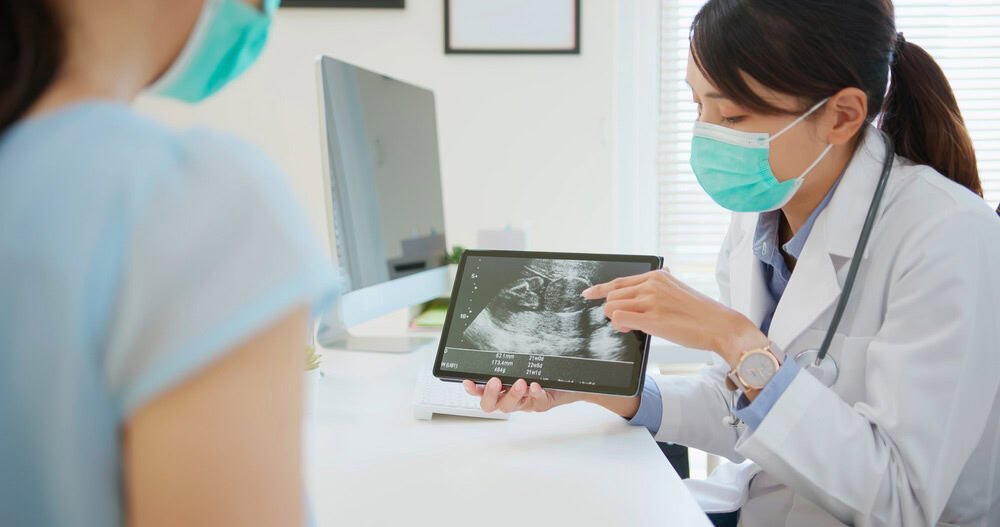
During fertility evaluations or IVF monitoring, doctors may detect endometrial fluid through ultrasound imaging. While small amounts of fluid may occasionally resolve on their own, persistent fluid can affect the embryo’s ability to implant successfully.
Because implantation is one of the most important stages of IVF, fertility specialists carefully assess the presence of endometrial fluid before proceeding with embryo transfer.
Why Does Endometrial Fluid Matter During IVF?
The primary goal of IVF is to create the ideal environment for embryo implantation. When endometrial fluid is present, several complications can arise.
It Can Affect Implantation
Fluid inside the uterine cavity may create a barrier between the embryo and the uterine lining, reducing implantation potential.
It May Signal an Underlying Condition
Persistent endometrial fluid often indicates another medical issue that requires attention before embryo transfer.
It Can Influence Treatment Planning
Doctors may need additional monitoring, testing, or treatment to resolve the issue before continuing with IVF.
These additional steps can directly affect the overall IVF cost Faridabad patients should expect during their fertility journey.
Common Causes of Endometrial Fluid
Understanding the source of endometrial fluid is important because treatment depends on the underlying cause.
Hydrosalpinx
One of the most common causes is hydrosalpinx, a condition where a fallopian tube becomes blocked and filled with fluid. This fluid can leak into the uterus and negatively impact implantation.
Uterine Infections
Chronic infections within the reproductive tract may trigger fluid accumulation and inflammation.
Hormonal Changes
Hormonal fluctuations during fertility treatments can occasionally contribute to the development of endometrial fluid.
Endometrial Inflammation
Inflammation of the uterine lining may increase fluid production and reduce uterine receptivity.
Structural Uterine Issues
Polyps, adhesions, or other uterine abnormalities can sometimes be associated with fluid buildup.
Identifying these conditions early can help fertility specialists improve treatment outcomes while helping patients better understand their expected IVF cost Faridabad.
The Hidden Financial Impact of Endometrial Fluid
Many patients researching IVF cost Faridabad focus on the base IVF package. However, fertility treatment is highly individualized, and additional medical conditions can influence the overall expense.
Additional Diagnostic Testing
When endometrial fluid is detected, doctors may recommend:
- Advanced ultrasound examinations
- Hysteroscopy
- Sonohysterography
- Infection screening
- Hormonal evaluations
These tests help determine the exact cause of the fluid and guide treatment decisions.
Increased Monitoring
Patients with endometrial fluid often require more frequent monitoring throughout the IVF cycle. Additional scans help ensure the uterine environment is suitable for embryo transfer.
Medication Costs
Treating infections, inflammation, or hormonal imbalances may involve medications that add to treatment expenses.
These additional steps are often necessary to improve the likelihood of a successful pregnancy and protect the investment patients make toward IVF cost Faridabad.
Read Also: What Every Woman Should Know About Fibroid Diagnosis and Treatment
Why Doctors Sometimes Delay Embryo Transfer
One of the most important treatment decisions related to endometrial fluid is whether to proceed with embryo transfer.
If significant fluid remains present, fertility specialists may recommend delaying the transfer. While this may seem frustrating for patients eager to move forward, the decision is often based on improving success rates.
Benefits of delaying transfer include:
- Better uterine receptivity
- Reduced implantation failure risk
- Improved pregnancy outcomes
- Increased chances of embryo survival
Although a delayed transfer may affect the timeline and overall IVF cost Faridabad, it can significantly improve the likelihood of achieving pregnancy.
The Role of Frozen Embryo Transfer
When persistent endometrial fluid is identified, many fertility specialists choose to freeze embryos and postpone transfer until the uterine cavity is optimized.
A frozen embryo transfer (FET) allows doctors to:
- Treat the underlying cause
- Monitor recovery
- Prepare the uterine lining properly
- Improve implantation conditions
This approach has become increasingly common because it prioritizes embryo implantation success.
While FET cycles may add to the overall IVF cost Faridabad, many patients benefit from the higher chances of successful implantation and pregnancy.
Treatment Options for Endometrial Fluid
Fortunately, most cases of endometrial fluid can be managed successfully with appropriate treatment.
Medical Management
Depending on the cause, treatment may involve:
- Antibiotics
- Hormonal therapy
- Anti-inflammatory medications
Surgical Intervention
If hydrosalpinx or structural abnormalities are present, surgical correction may be recommended before IVF.
Hysteroscopy
This minimally invasive procedure allows doctors to examine and treat abnormalities inside the uterus.
Monitoring and Observation
In some cases, the fluid resolves naturally, and doctors simply continue monitoring before proceeding with embryo transfer.
Each treatment strategy is tailored to the patient’s specific condition, helping maximize IVF success while managing the overall IVF cost Faridabad effectively.
How Early Detection Can Save Time and Money
One of the strongest connections between endometrial fluid and IVF cost Faridabad is the value of early diagnosis.
Early detection can:
- Prevent failed embryo transfers
- Reduce unnecessary treatment cycles
- Improve implantation success
- Help patients plan financially
- Avoid repeated IVF attempts
Although additional evaluations may seem like extra expenses initially, they often help reduce long-term costs by improving the efficiency of treatment.
Improving IVF Outcomes Despite Endometrial Fluid
The presence of endometrial fluid does not mean IVF will fail. Many patients achieve successful pregnancies after proper diagnosis and treatment.
Key factors that improve outcomes include:
- Early fertility evaluation
- Accurate diagnosis
- Individualized treatment plans
- Appropriate timing of embryo transfer
- Regular monitoring by fertility specialists
With modern fertility technologies and personalized care, many patients successfully overcome challenges associated with endometrial fluid.
Conclusion
The connection between endometrial fluid and IVF cost Faridabad is often overlooked, yet it plays an important role in treatment planning and IVF success. While the presence of fluid inside the uterus can affect implantation and pregnancy outcomes, timely diagnosis and appropriate treatment can significantly improve results.
For couples considering fertility treatment, understanding how endometrial fluid influences medical decisions, embryo transfer timing, and overall costs can help set realistic expectations. Rather than viewing additional evaluations or treatments as obstacles, they should be seen as important steps toward improving the chances of a successful pregnancy.
By addressing endometrial fluid early and working closely with experienced fertility specialists, patients can optimize both their IVF outcomes and their investment in fertility treatment.
Frequently Asked Questions (FAQs)
1. What is endometrial fluid?
Endometrial fluid is the accumulation of fluid within the uterine cavity that may interfere with embryo implantation during IVF treatment.
2. Does endometrial fluid affect IVF success?
Yes. Persistent endometrial fluid can reduce implantation rates and negatively impact IVF outcomes if left untreated.
3. What causes endometrial fluid?
Common causes include hydrosalpinx, uterine infections, hormonal imbalances, endometrial inflammation, and structural uterine abnormalities.
4. How is endometrial fluid diagnosed?
It is typically diagnosed through transvaginal ultrasound and may be further investigated using hysteroscopy or other fertility assessments.
5. Can endometrial fluid be treated before IVF?
Yes. Treatment options include medications, surgery, hysteroscopy, and careful monitoring depending on the underlying cause.
6. Can endometrial fluid increase IVF cost Faridabad patients pay?
Additional tests, monitoring, medications, or procedures related to endometrial fluid may influence the total IVF cost Faridabad patients experience.
7. Why do doctors sometimes postpone embryo transfer?
Doctors may delay embryo transfer when significant endometrial fluid is present to improve implantation rates and pregnancy outcomes.
8. Is pregnancy possible after treating endometrial fluid?
Absolutely. Many patients achieve successful pregnancies after proper treatment and management of endometrial fluid, especially when the underlying cause is addressed before embryo transfer.