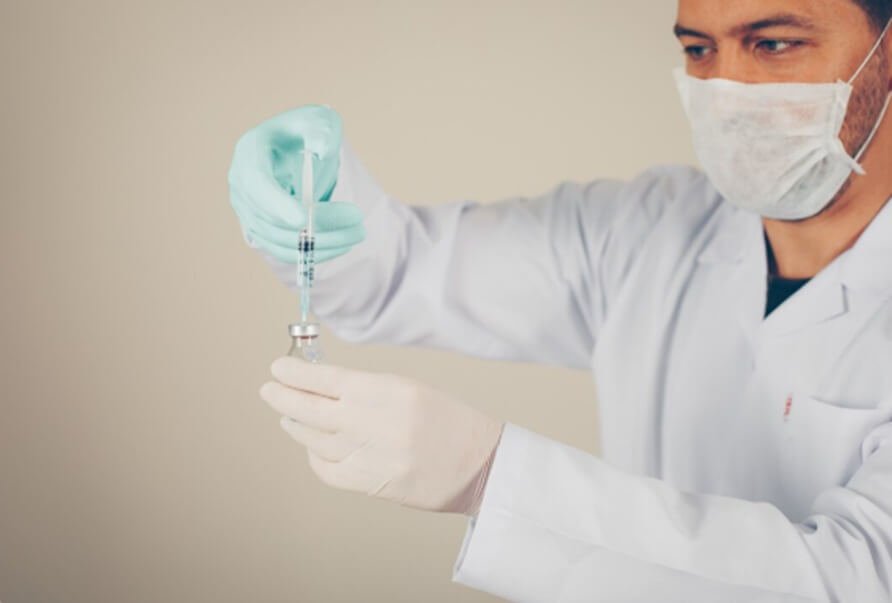
Regenerative medicine is one of the fastest growing areas of modern healthcare, focusing on innovative ways to support the body’s natural healing processes. Among the treatments attracting significant scientific and public interest is Stem Cell IV Infusion, an investigational therapy that involves administering stem cells through an intravenous (IV) infusion. Researchers continue to study whether stem cells may play a role in tissue repair, immune system regulation, and other biological processes.
While Stem Cell IV Infusion has become increasingly discussed in regenerative medicine and wellness settings, it is important to understand that many proposed applications remain under investigation. Most intravenous stem cell therapies are not approved for routine clinical use for a wide range of conditions, and scientific evidence continues to evolve.
If you are considering Stem Cell IV Infusion, understanding the current research, potential applications, safety considerations, and regulatory landscape is essential. This guide provides an overview of what stem cell IV infusion is, how it works, where research currently stands, and what patients should know before pursuing treatment.
What Are Stem Cells?
Stem cells are unique cells that have the ability to develop into different types of specialized cells under certain conditions. They also play an important role in maintaining and repairing tissues throughout the body.
Researchers are interested in stem cells because of their potential to:
- Produce new specialized cells
- Support tissue repair
- Participate in healing processes
- Release signaling molecules that influence nearby cells
- Contribute to regenerative medicine research
Different types of stem cells have different biological characteristics and potential applications.
Types of Stem Cells Used in Research
Several types of stem cells are currently being studied in laboratory and clinical research.
Mesenchymal Stem Cells
Mesenchymal stem cells, often referred to as MSCs, are among the most commonly researched stem cells in regenerative medicine. They may be obtained from sources such as bone marrow, adipose tissue, or donated umbilical cord tissue.
Researchers are studying MSCs because they may influence inflammation, tissue repair, and immune system responses.
Hematopoietic Stem Cells
These stem cells produce blood cells and are already used in established medical procedures such as bone marrow transplantation for certain blood disorders and cancers.
Induced Pluripotent Stem Cells
These laboratory created cells are produced by reprogramming adult cells to behave similarly to embryonic stem cells. They remain an active area of research but are generally not used in routine IV wellness treatments.
What Is Stem Cell IV Infusion?
Stem Cell IV Infusion is a procedure in which stem cells are delivered directly into the bloodstream through an intravenous infusion.
The goal of this approach is to allow the cells to circulate throughout the body. Researchers continue to investigate how intravenously administered stem cells behave, where they travel after infusion, how long they survive, and whether they provide meaningful clinical benefits for specific conditions.
It is important to note that many commercial claims regarding stem cell IV infusions have not been confirmed through large, high quality clinical trials.
How Does Stem Cell IV Infusion Work?
During the procedure, a healthcare professional inserts a small IV catheter into a vein, usually in the arm or hand. A prepared stem cell product is then infused slowly into the bloodstream.
Researchers believe stem cells may exert their effects through several mechanisms, including:
- Releasing signaling molecules
- Influencing immune responses
- Supporting communication between cells
- Participating in tissue repair processes
However, scientists continue to study these mechanisms, and much remains unknown about how IV administered stem cells function in different clinical situations.
Potential Areas of Research
Stem Cell IV Infusion is being investigated across multiple fields of medicine. Many of these applications remain experimental and require additional clinical evidence.
Regenerative Medicine
Researchers continue exploring whether stem cells may contribute to tissue repair and regeneration following injury or disease.
Orthopedic Research
Current studies are examining possible applications related to:
- Joint conditions
- Cartilage repair
- Tendon injuries
- Muscle recovery
Neurological Research
Scientists are studying whether stem cells may have future applications in neurological disorders because of their potential interaction with nerve tissue.
Cardiovascular Research
Stem cells are being investigated for their possible role in supporting recovery after certain types of heart injury.
Autoimmune and Immune System Research
Researchers continue exploring how stem cells may influence immune system regulation in selected conditions.
Healthy Aging Research
Some scientists are investigating whether stem cell based therapies may eventually contribute to healthy aging research, although evidence remains limited.
Current Scientific Evidence
Stem cell research continues to advance rapidly, but the level of evidence varies depending on the medical condition being studied.
Some stem cell therapies are well established for specific diseases, such as bone marrow transplantation for certain blood cancers. However, many IV stem cell treatments promoted for wellness, anti aging, or chronic diseases have not yet demonstrated clear effectiveness in large, well controlled clinical trials.
For this reason, many professional medical organizations recommend that patients carefully evaluate the scientific evidence before pursuing treatment.
What Happens During a Stem Cell IV Infusion Appointment?
Although protocols differ among clinics and research programs, a typical appointment may include several steps.
Initial Medical Consultation
Your healthcare provider reviews:
- Medical history
- Current medications
- Existing medical conditions
- Allergies
- Treatment goals
This assessment helps determine whether the therapy is appropriate or whether alternative options should be considered.
Preparation
The stem cell product is prepared according to established handling procedures.
Patients may have their vital signs checked before treatment begins.
IV Infusion
A healthcare professional inserts an IV catheter into a vein.
The stem cell preparation is infused slowly while patients remain under observation.
Treatment duration varies depending on the protocol being followed.
Monitoring
Following the infusion, patients may remain in the clinic briefly so healthcare professionals can monitor for any immediate reactions.
Potential Risks and Safety Considerations
As with any medical procedure, Stem Cell IV Infusion carries potential risks.
Possible concerns include:
- Infusion reactions
- Infection
- Allergic reactions
- Product contamination if manufacturing standards are inadequate
- Blood vessel complications
- Unknown long term safety
Because stem cell products can vary significantly in quality and preparation methods, choosing a reputable medical provider is extremely important.
Understanding the Regulatory Landscape
Patients should understand that regulatory approval differs depending on the country and the intended use of stem cell therapies.
In many countries, only certain stem cell treatments have received approval for specific medical conditions. Most IV stem cell infusions marketed for wellness, anti aging, or general health have not been approved for routine clinical use and may be offered only as part of regulated clinical research or under specific medical frameworks.
Before undergoing treatment, ask your provider:
- Is this therapy approved for my condition?
- What type of stem cells are being used?
- Where do the cells come from?
- How are the cells processed and tested?
- What scientific evidence supports this treatment?
Who May Consider Stem Cell IV Infusion?
Individuals interested in Stem Cell IV Infusion should first consult a qualified healthcare professional.
A comprehensive medical evaluation is essential to determine whether participation in a clinical trial or another evidence based treatment may be more appropriate.
Treatment decisions should never be based solely on advertising claims or testimonials.
Who May Not Be a Suitable Candidate?
Stem Cell IV Infusion may not be appropriate for everyone.
Additional evaluation may be necessary for individuals with:
- Active infections
- Certain cancers
- Severe cardiovascular disease
- Blood clotting disorders
- Immune system disorders
- Pregnancy or breastfeeding, unless specifically recommended by a healthcare provider
Each patient should receive individualized medical guidance.
Questions to Ask Before Treatment
If you are considering Stem Cell IV Infusion, ask your healthcare provider the following questions:
- What condition is this treatment intended to address?
- Is the therapy approved or investigational?
- What research supports its use?
- What are the potential risks?
- What outcomes can realistically be expected?
- How will my progress be monitored?
- Are there evidence based alternatives?
Asking these questions can help you make informed healthcare decisions.
Frequently Asked Questions
Is Stem Cell IV Infusion approved for all medical conditions?
No. While certain stem cell therapies are approved for specific diseases, many IV stem cell treatments promoted for wellness or regenerative purposes remain investigational.
Does Stem Cell IV Infusion guarantee results?
No. Individual responses vary, and no reputable provider should guarantee outcomes.
How long does the procedure take?
Treatment duration depends on the protocol used but generally includes preparation, the infusion itself, and a period of observation afterward.
Are stem cells the same as exosomes?
No. Stem cells are living cells capable of differentiation, while exosomes are tiny vesicles released by cells that carry signaling molecules. Both are being studied in regenerative medicine but are distinct therapies.
Should I discuss treatment with my primary healthcare provider?
Yes. Your primary healthcare provider can help you understand the current evidence, discuss potential risks, and determine whether alternative treatment options may be more appropriate.
Choosing a Qualified Provider
If you are exploring Stem Cell IV Infusion, selecting a reputable provider is one of the most important decisions you can make.
Look for a clinic that:
- Employs licensed healthcare professionals
- Conducts comprehensive medical evaluations
- Clearly explains the investigational nature of treatment when applicable
- Uses products that meet applicable manufacturing and quality standards
- Follows strict sterile procedures
- Provides transparent information about risks, limitations, and expected outcomes
Be cautious of providers who advertise stem cell therapy as a cure for multiple unrelated conditions or promise guaranteed results.
The Future of Stem Cell Research
Stem cell science continues to evolve, with researchers investigating new ways to improve treatment safety, product consistency, and clinical effectiveness. Ongoing studies are exploring applications in tissue repair, immune regulation, neurological disorders, orthopedic medicine, cardiovascular health, and other areas of regenerative medicine.
As additional clinical trials are completed, healthcare providers will gain a clearer understanding of which stem cell therapies are effective, which patients may benefit, and how these treatments should be integrated into evidence based medical care.
Final Thoughts
Stem Cell IV Infusion represents an exciting area of regenerative medicine research with significant scientific potential. Researchers continue to investigate how stem cells may contribute to tissue repair, cellular communication, and immune system regulation, but many intravenous stem cell therapies remain investigational, and evidence supporting many commercial wellness applications is still limited.
If you are interested in Stem Cell IV Infusion, it is important to consult a qualified healthcare provider who can explain the current evidence, discuss potential risks and benefits, and determine whether this therapy or participation in a regulated clinical trial is appropriate for your individual health needs.
Contact us today to learn more about regenerative medicine services, schedule a consultation, and speak with our experienced healthcare professionals. We are committed to providing evidence based guidance and personalized care to help you make informed decisions about your health and wellness.