Ship design has become one of the most important parts of modern maritime planning. For readers of itechartgroup.org, the topic is not only about naval architecture; it is also about how engineering, data, sustainability, and operational strategy come together to create better vessels.
A strong ship design begins with a clear understanding of the vessel’s purpose. A fishing vessel, merchant ship, offshore support vessel, and aquaculture service vessel all work in different conditions. Sirius Design & Integration describes its approach as customer-driven and focused on optimized, energy efficient vessels across market segments. That idea is central to good maritime design: the best ship is the one built around the work it needs to do.
Why Ship Design Matters
A vessel is a long-term investment. It must be safe, efficient, durable, and practical for crews. Poor design can lead to high fuel consumption, difficult maintenance, limited cargo flexibility, or unsafe working conditions. Good design improves performance from the first day of operation and continues to create value over the life of the ship.
Modern operators also face pressure to reduce emissions and operating costs. Hull shape, propulsion systems, onboard equipment, power management, and layout decisions all affect efficiency. When these choices are planned together, a vessel can use less energy while still meeting demanding operational needs.
The Customer-Driven Design Process
The best ship design process starts with listening. Designers need to understand routes, cargo, crew requirements, sea conditions, port limitations, regulations, and commercial goals. A vessel for offshore wind support, for example, needs different features from a vessel serving aquaculture farms or merchant cargo routes.
Once the operating profile is clear, designers can create concept options. These early concepts explore size, hull form, deck arrangement, machinery, cargo handling, accommodation, and safety systems. The design is then refined through technical analysis and feedback from the operator.
This collaborative approach reduces the risk of building a vessel that looks good on paper but does not support real operations. It also helps owners make smart tradeoffs between cost, capacity, efficiency, and future flexibility.
Read Also: Why Round Bottle Labeling Machine Technology Is Becoming Essential in Modern Manufacturing
Energy Efficiency in Maritime Design
Energy efficiency is no longer optional. Fuel prices, environmental rules, and public expectations have pushed vessel owners to look for smarter solutions. Ship designers can improve efficiency through optimized hull forms, lower resistance, better propulsion choices, hybrid power systems, and intelligent onboard energy management.
The right design can also reduce unnecessary weight and improve workflow. If equipment is placed logically and systems are integrated well, the vessel can operate with less wasted time and energy. Small improvements across many systems can add up to meaningful savings.
Designing for Different Market Segments
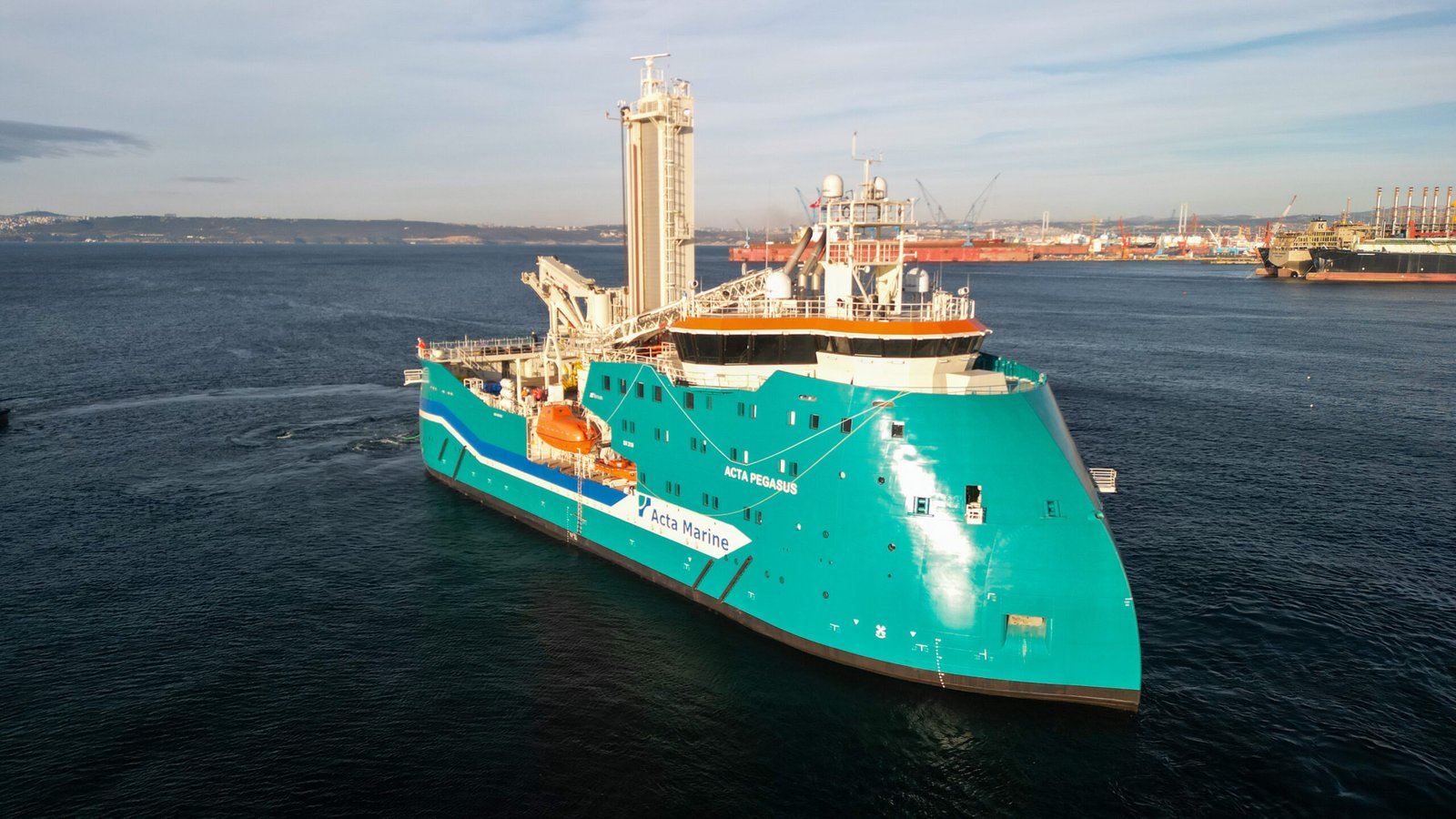
Different vessel categories require different priorities. Fishery vessels need safe handling areas, storage, processing capacity, and stable operations. Merchant vessels must balance cargo volume, reliability, and route efficiency. Offshore energy vessels need specialized equipment, dynamic positioning, safe transfer systems, and strong weather capability.
Aquaculture vessels may need live fish handling, service equipment, and careful environmental control. Each segment has its own risks and opportunities, which is why a general design approach rarely works. Purpose-built design helps the vessel perform the job it was created for.
System Integration and Practical Operation
Ship design is not only about the hull. Modern vessels depend on many connected systems: propulsion, navigation, automation, power, cargo handling, safety, communications, and crew facilities. If these systems are planned separately, the vessel can become inefficient or difficult to maintain.
System integration makes the vessel work as a complete platform. It helps reduce conflicts between equipment, improves reliability, and makes operations smoother for the crew. This is especially important for advanced vessels serving offshore wind, oil and gas, and other technical maritime sectors.
Conclusion
Ship design shapes how safely, efficiently, and profitably a vessel can operate. A good design reflects the customer’s mission, the realities of the market, and the need for cleaner maritime performance. As the industry moves toward smarter and greener vessels, ship design will remain one of the strongest tools for building a more sustainable maritime future.