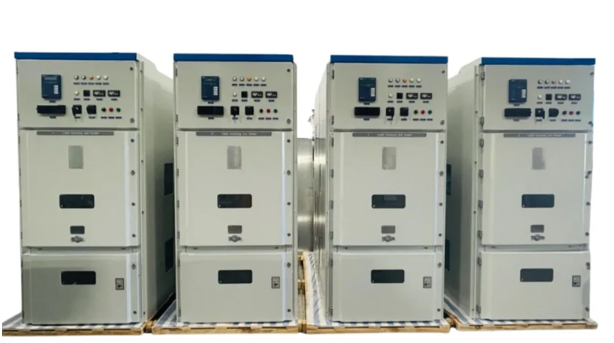
Industrial facilities are becoming more connected, efficient, and intelligent as digital transformation continues to reshape manufacturing and infrastructure. Modern switch gear solutions are playing a significant role in this evolution by supporting safer operations, better energy management, and improved system reliability. Combined with advanced monitoring technologies, automation, and data analytics, industrial electrical systems are now capable of delivering higher performance while reducing downtime and maintenance costs.
Businesses across various industries are investing in smart electrical technologies to improve productivity, enhance workplace safety, and optimize energy consumption. These innovations are changing the way industrial power systems operate, making them more responsive to changing demands and future challenges.
The Rise of Smart Industrial Electrical Systems
Industrial electrical systems were once designed primarily to distribute power throughout facilities. Today, they have evolved into intelligent networks capable of collecting data, analyzing performance, and automatically responding to operational changes.
Modern systems integrate digital communication, sensors, software platforms, and automation technologies that provide greater visibility into electrical infrastructure.
Some of the major improvements include:
- Real time equipment monitoring
- Automated fault detection
- Remote system management
- Energy optimization
- Predictive maintenance capabilities
- Enhanced worker safety
These technologies help organizations reduce operational risks while improving efficiency across industrial environments.
See also: Seasonal Moving Tips: Why Timing Matters More Than You Think
Internet of Things Is Transforming Electrical Infrastructure
The Internet of Things has become one of the most influential technologies in industrial electrical systems. Smart sensors installed throughout electrical equipment continuously collect valuable performance data.
This information allows engineers to monitor equipment health without requiring constant physical inspections.
Key applications include:
- Temperature monitoring
- Voltage fluctuation detection
- Current load analysis
- Humidity monitoring
- Equipment vibration measurement
- Circuit performance tracking
When abnormal conditions appear, the system can generate alerts before equipment failures occur, allowing maintenance teams to respond proactively.
Smart Sensors Improve Equipment Reliability
Traditional inspections often rely on scheduled maintenance regardless of equipment condition. Smart sensors eliminate this limitation by continuously tracking system performance.
Sensors installed in electrical panels, transformers, circuit breakers, and distribution systems provide real time operating information.
Benefits include:
- Early fault identification
- Reduced unexpected downtime
- Longer equipment lifespan
- Better maintenance scheduling
- Improved operational efficiency
Continuous monitoring allows maintenance teams to prioritize repairs based on actual equipment condition instead of fixed maintenance schedules.
Artificial Intelligence Enhances System Performance
Artificial intelligence is becoming increasingly valuable in industrial electrical management. AI systems analyze massive amounts of operational data to identify trends and predict potential failures.
Machine learning algorithms continuously improve as they collect more information from equipment performance.
AI applications include:
- Predictive maintenance analysis
- Load forecasting
- Energy optimization
- Fault diagnosis
- Equipment lifespan estimation
- Automated reporting
By identifying hidden patterns that humans might overlook, AI helps reduce costly equipment failures and improves system reliability.
Predictive Maintenance Is Replacing Reactive Repairs
Traditional maintenance often occurs after equipment breaks down or according to fixed service intervals. Predictive maintenance uses smart technology to determine exactly when maintenance should occur.
Data collected from sensors allows maintenance teams to detect:
- Excessive heat buildup
- Abnormal electrical loads
- Mechanical wear
- Insulation degradation
- Loose electrical connections
- Component aging
Predictive maintenance reduces unnecessary servicing while preventing catastrophic equipment failures that could halt production.
Advanced Energy Management Systems Improve Efficiency
Energy costs represent a significant expense for industrial operations. Smart energy management systems help facilities reduce waste while maximizing efficiency.
These systems monitor power usage throughout the facility and identify opportunities for optimization.
Common functions include:
- Peak demand management
- Load balancing
- Power quality monitoring
- Energy consumption analysis
- Automated equipment scheduling
- Utility cost optimization
By understanding exactly where energy is consumed, facilities can make informed decisions that lower operating expenses.
Digital Twin Technology Supports Better Decision Making
Digital twin technology creates virtual models of industrial electrical systems that mirror real world equipment performance.
Engineers can simulate various operating conditions before making physical changes to equipment.
Digital twins help organizations:
- Test system upgrades safely
- Predict equipment behavior
- Analyze fault scenarios
- Improve maintenance planning
- Optimize system design
- Reduce operational risk
Virtual modeling reduces uncertainty and supports more accurate engineering decisions.
Smart Circuit Protection Improves Safety
Modern protective devices are far more intelligent than conventional circuit breakers. Smart protection systems can communicate with monitoring platforms while providing advanced diagnostics.
Features often include:
- Remote status monitoring
- Automatic fault isolation
- Event recording
- Arc flash detection
- Self diagnostics
- Communication with supervisory control systems
These capabilities improve both personnel safety and equipment protection across industrial facilities.
Remote Monitoring Increases Operational Flexibility
Cloud connectivity and secure industrial networks allow engineers to monitor electrical infrastructure from virtually any location.
Instead of relying solely on on site inspections, operators can review system conditions through centralized dashboards.
Remote monitoring provides:
- Instant alarm notifications
- Equipment health reports
- Historical performance data
- Energy usage trends
- Maintenance scheduling information
- Operational status updates
This capability supports faster decision making and more efficient maintenance planning.
Industrial Automation Improves Electrical System Control
Automation technologies have become essential components of modern industrial electrical systems. Automated control systems manage electrical distribution while responding instantly to changing production demands.
Automation reduces human error and improves consistency.
Examples include:
- Automatic load transfer
- Generator synchronization
- Motor control optimization
- Lighting automation
- Emergency shutdown sequences
- Intelligent power distribution
Automated systems help maintain stable operations while improving overall efficiency.
Cloud Based Analytics Simplify Data Management
Industrial facilities generate enormous amounts of electrical performance data every day. Cloud computing allows organizations to store and analyze this information more efficiently.
Cloud platforms support:
- Centralized reporting
- Multi site monitoring
- Historical trend analysis
- Predictive modeling
- Maintenance planning
- Performance benchmarking
Access to centralized information enables management teams to make data driven operational decisions.
Cybersecurity Has Become Essential
As electrical systems become more connected, cybersecurity becomes increasingly important.
Industrial facilities must protect connected equipment from unauthorized access and cyber threats.
Important security measures include:
- Secure network architecture
- Multi factor authentication
- Data encryption
- Regular software updates
- Access control management
- Continuous security monitoring
Strong cybersecurity practices help protect critical electrical infrastructure while maintaining operational continuity.
Smart Grid Integration Improves Power Stability
Many industrial facilities are connecting with smart grid technology to improve power management and energy efficiency.
Smart grids allow two way communication between utility providers and industrial consumers.
Advantages include:
- Better load management
- Improved grid reliability
- Faster outage detection
- Renewable energy integration
- Demand response participation
- Enhanced energy forecasting
This technology supports more resilient electrical infrastructure while improving energy sustainability.
Renewable Energy Integration Is Becoming Easier
Many industrial operations are incorporating renewable energy sources into their electrical systems.
Smart electrical technologies simplify the integration of:
- Solar power systems
- Wind energy generation
- Battery storage systems
- Microgrids
- Hybrid power systems
- Backup energy solutions
Advanced control systems balance multiple power sources while maintaining reliable facility operations.
Data Analytics Improves Long Term Planning
Data analytics allows organizations to identify long term trends that improve future planning and investment decisions.
Historical electrical data can reveal:
- Equipment aging patterns
- Seasonal energy demand
- Capacity limitations
- Maintenance effectiveness
- Operational inefficiencies
- Expansion requirements
These insights help companies allocate resources more effectively while improving long term reliability.
Benefits of Smart Industrial Electrical Technologies
Organizations adopting intelligent electrical systems often experience measurable improvements in operations.
Major advantages include:
- Reduced downtime
- Improved worker safety
- Lower maintenance costs
- Better energy efficiency
- Increased equipment lifespan
- Faster fault detection
- Enhanced operational visibility
- Improved regulatory compliance
- Better asset management
- Higher production reliability
These benefits contribute to greater productivity and stronger financial performance across industrial operations.
Conclusion
Smart technologies are revolutionizing industrial electrical systems by combining automation, artificial intelligence, cloud computing, sensors, and advanced analytics into highly intelligent power management networks. These innovations allow facilities to monitor equipment continuously, predict failures before they occur, optimize energy usage, and improve overall system reliability.
As industries continue embracing digital transformation, intelligent electrical infrastructure will become even more essential for maintaining safe, efficient, and sustainable operations. The integration of smart technologies is setting new standards for industrial performance while supporting the growing demands of modern manufacturing and industrial facilities.