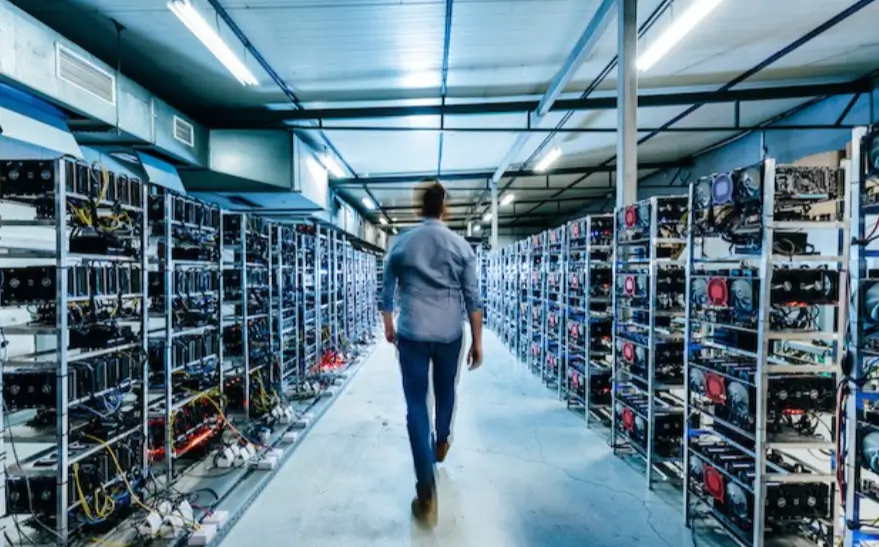
Cryptocurrency mining is the process by which new coins are created and transactions are verified within a blockchain. Miners compete to solve cryptographic puzzles, producing blocks that add to the chain and trigger rewards. The system relies on calibrated difficulty, block times, and incentive structures to maintain security and decentralization. External factors like energy costs and hardware efficiency shape profitability and resilience. The evolving landscape raises questions about sustainability, regulation, and long-term governance, inviting further analysis.
What Is Cryptocurrency Mining and Why It Matters
Mining is the process by which new cryptocurrency units are created and confirmed transactions are secured, forming the backbone of many blockchain networks.
The topic centers on incentives, decentralization, and accountability.
It analyzes how mining ethics shape behavior, energy use, and market dynamics, while community governance evaluates stakeholder input, policy transparency, and protocol upgrades to balance security with decentralized autonomy and sustainable growth.
How Mining Actually Works: Proofs, Blocks, and Rewards
In the previous discussion, the focus on incentives, decentralization, and governance informs how networks maintain legitimacy and security; this context lays the groundwork for understanding how mining actually functions. Miners pursue mining incentives by solving hash puzzles to extend the blockchain, validating transactions, and earning rewards. Protocol rules define difficulty, block time, and rewards, shaping participant behavior and network security.
Energy, Hardware, and Economics: What Affects Mining Today
Energy costs, hardware efficiency, and market dynamics jointly shape mining economics today. The analysis emphasizes durable cost structures: energy prices determine marginal profitability, while hardware efficiency limits power draw per hash. Competitive mining shifts toward lower consumption, higher throughput devices, and optimized operating schedules. External factors—grid reliability, policy, and access to cheap electricity—directly influence sustained returns and network security.
The Changing Landscape: Alternatives, Risks, and Future Trends
The evolving landscape of cryptocurrency mining encompasses a range of alternatives, risk factors, and anticipated trajectories that shape long-run viability.
Analysts note that alternative scalability paths may alter energy profiles and throughput, while the regulatory outlook tightens compliance regimes.
Futures risk and market volatility interact with capital cycles, prompting cautious deployment, transparent reporting, and diversified strategies to sustain return profiles amid shifting incentives.
See also: What Is Market Cap in Crypto?
Frequently Asked Questions
How Do Miners Prioritize Transactions in a Block?
Miners prioritize transactions by fee size and inclusion likelihood within block templates, balancing profitability and network incentives. In mining economics, higher-fee transactions are favored when block space is tight, reflecting market demand and evolving network incentives.
Can You Mine With Ordinary Hardware at Home?
Like a cautious engine, the answer delves: can you mine with ordinary hardware at home? Generally, mining hardware designed for profitability is required; home electricity costs and lower hash rates reduce feasibility, though some CPUs/GPUs may participate.
What Happens to Stale or Orphaned Blocks?
Stale blocks become orphaned, revealing stale block implications such as wasted effort and potential chain reorganization; orphan block recovery hinges on network revalidation, discouraging wasted energy while ensuring eventual consensus and data integrity across the distributed ledger.
Do Mining Profits Depend on Electricity Costs Only?
Profits depend not solely on electricity costs; they hinge on block rewards, network difficulty, and transaction fees. Electricity is a major variable, yet efficient hardware and block prioritization strategies influence overall profitability, alongside market conditions and alternative revenue streams.
How Do Regulatory Changes Affect Mining Viability?
“Where there’s a will, there’s a way.” Regulatory changes affect mining viability via regulatory compliance costs and policy uncertainty, shaping capital allocation, risk, and timelines; data-driven analyses show sensitivity to cost structures, jurisdictional rules, and enforcement consistency.
Conclusion
Cryptocurrency mining sits at a crossroads of incentive and energy. On one side, fierce competition and economic rewards drive innovation, efficiency, and decentralization; on the other, rising energy costs, policy scrutiny, and environmental concerns pressure optimization and reform. Juxtaposing immediate block rewards with long-term network security highlights a paradox: profitability hinges on external realities—cost, regulation, and grid reliability—while the core virtue remains trustless consensus. The future blends scalable hardware with cleaner energy and smarter governance.